Solution
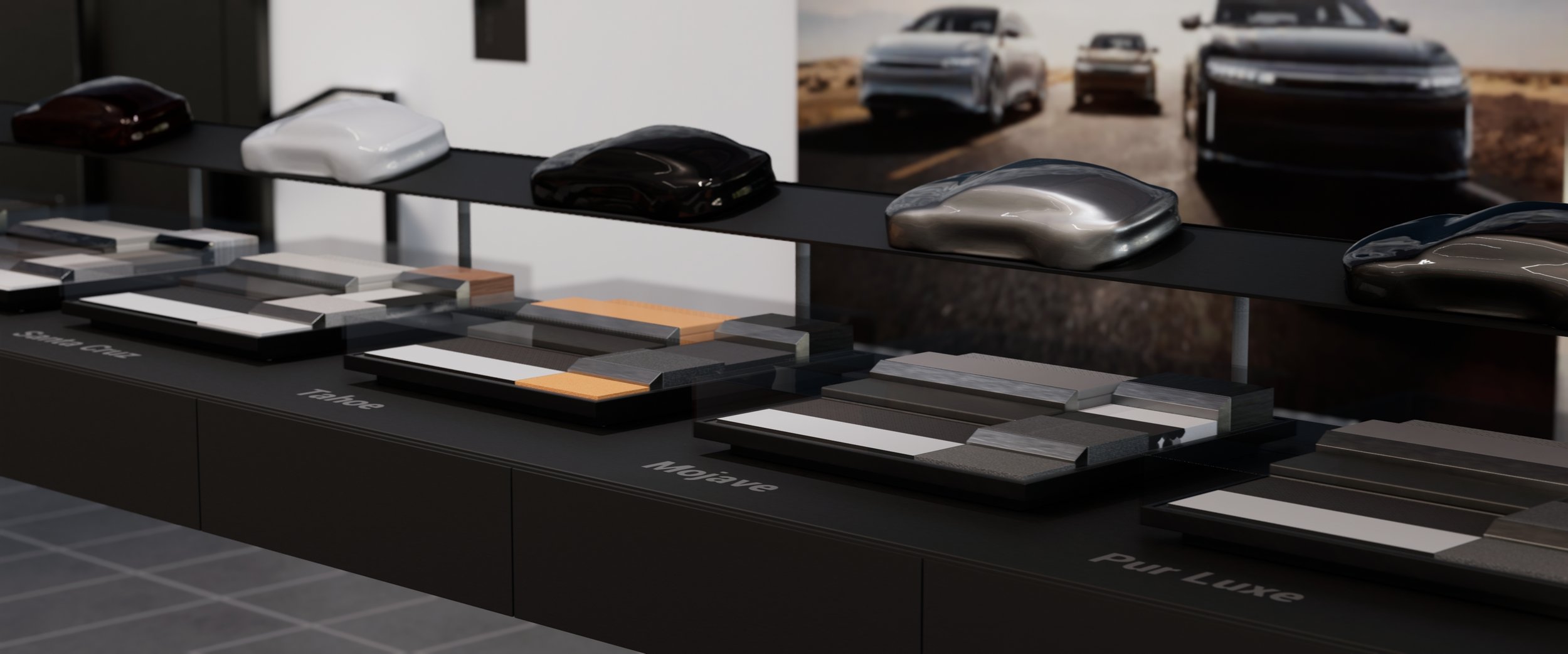
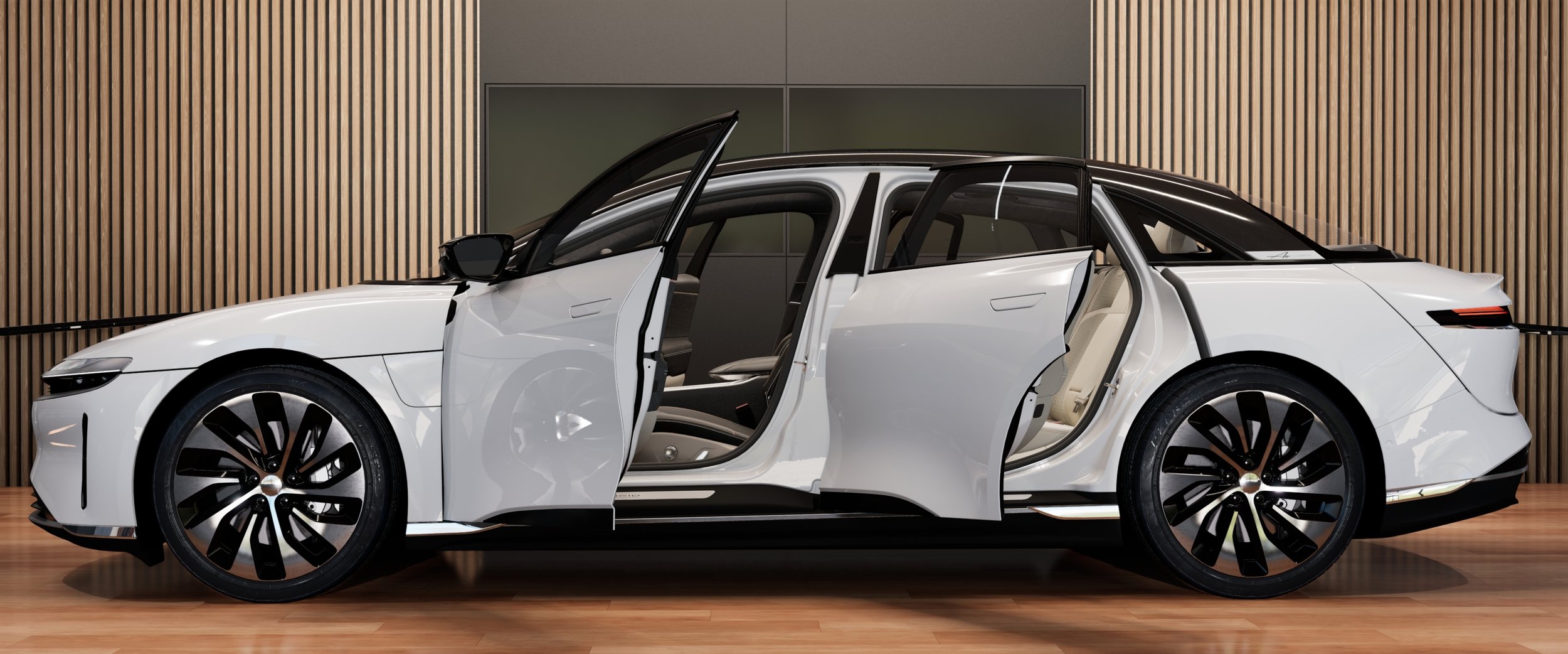
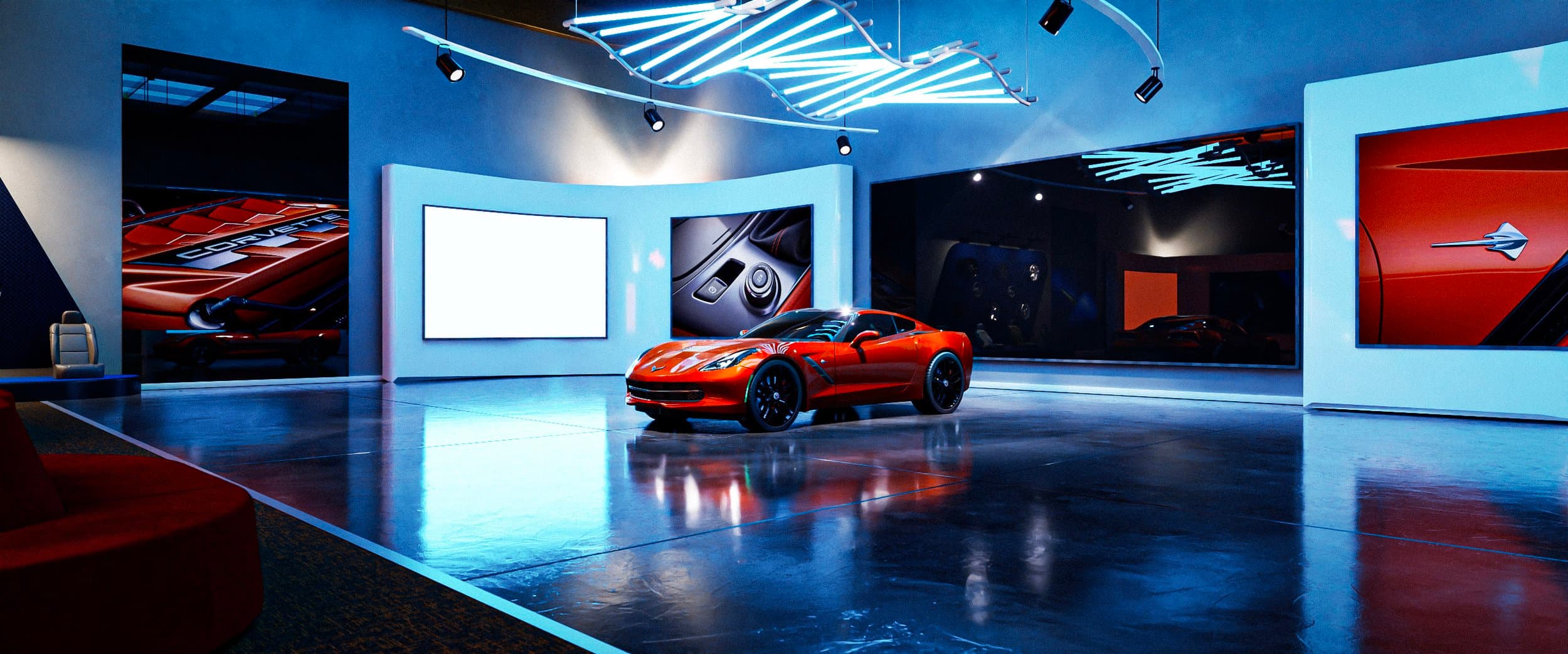
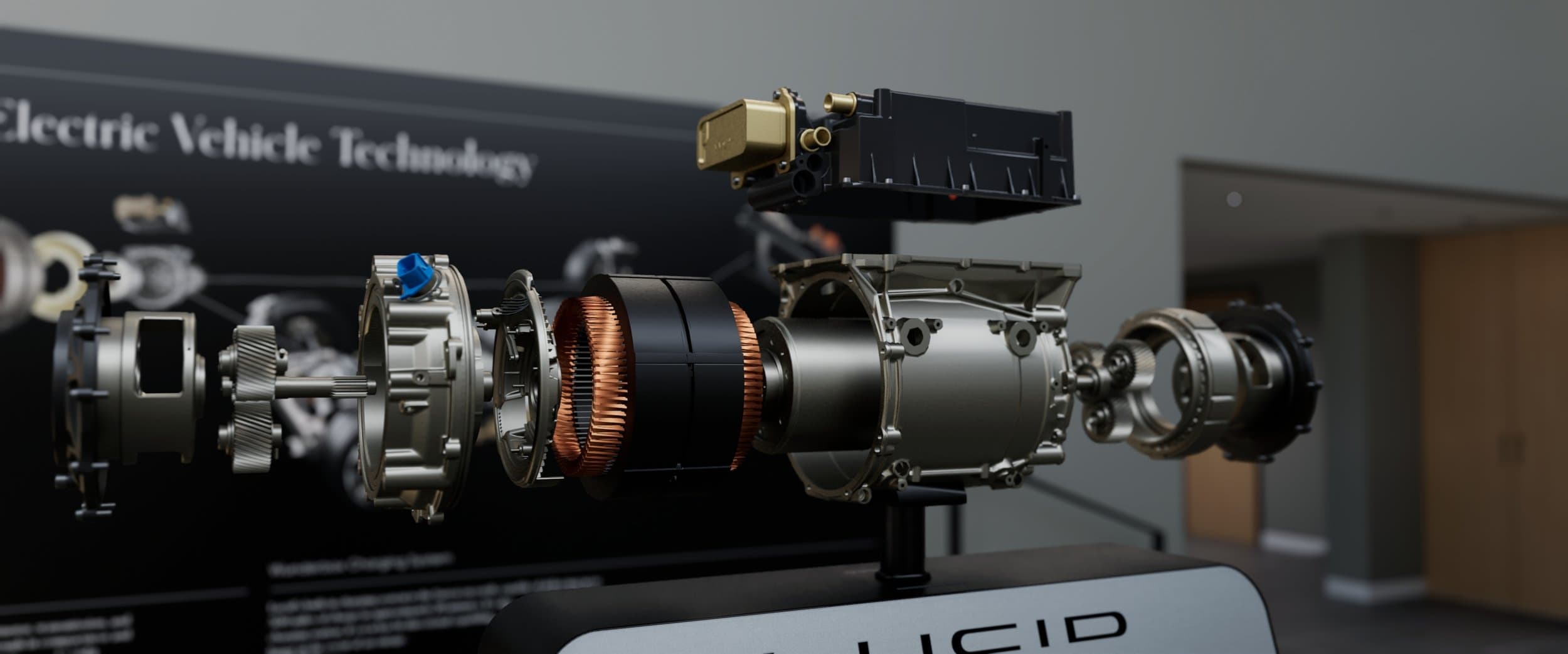
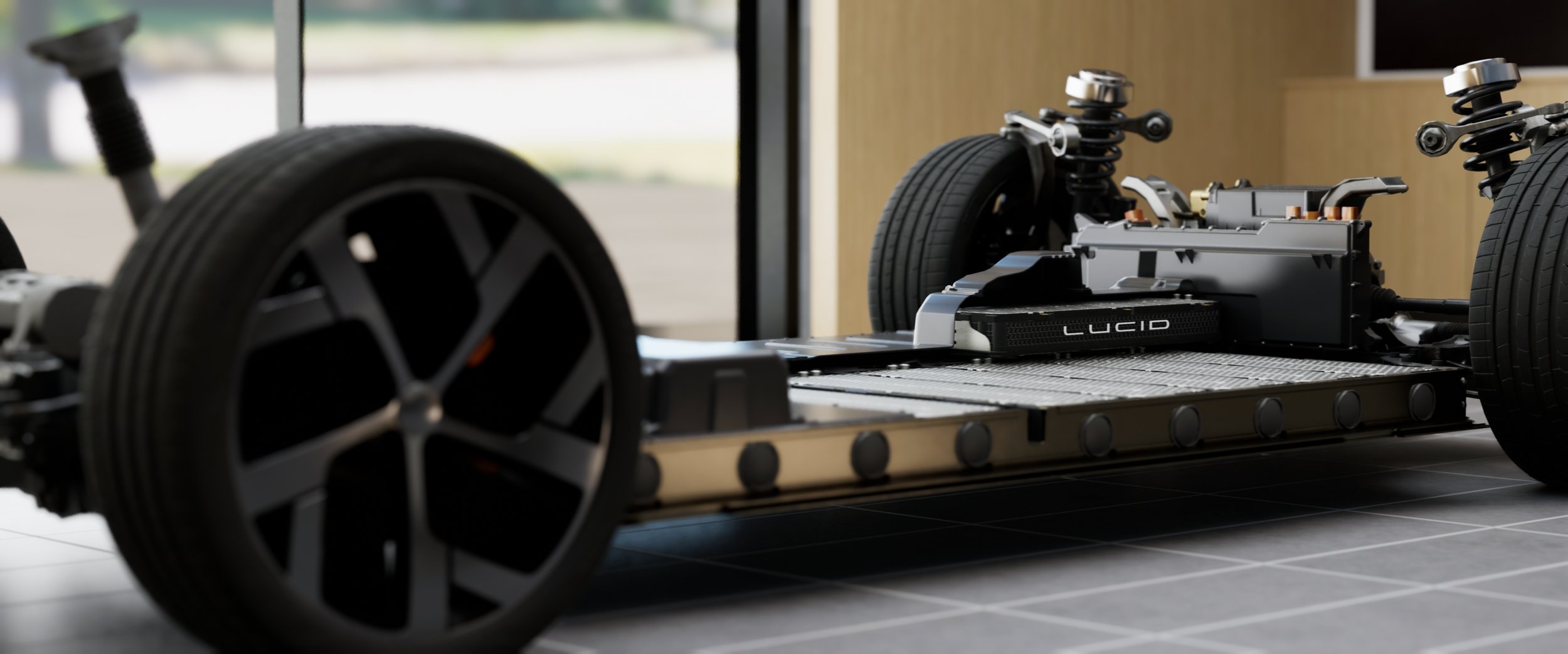
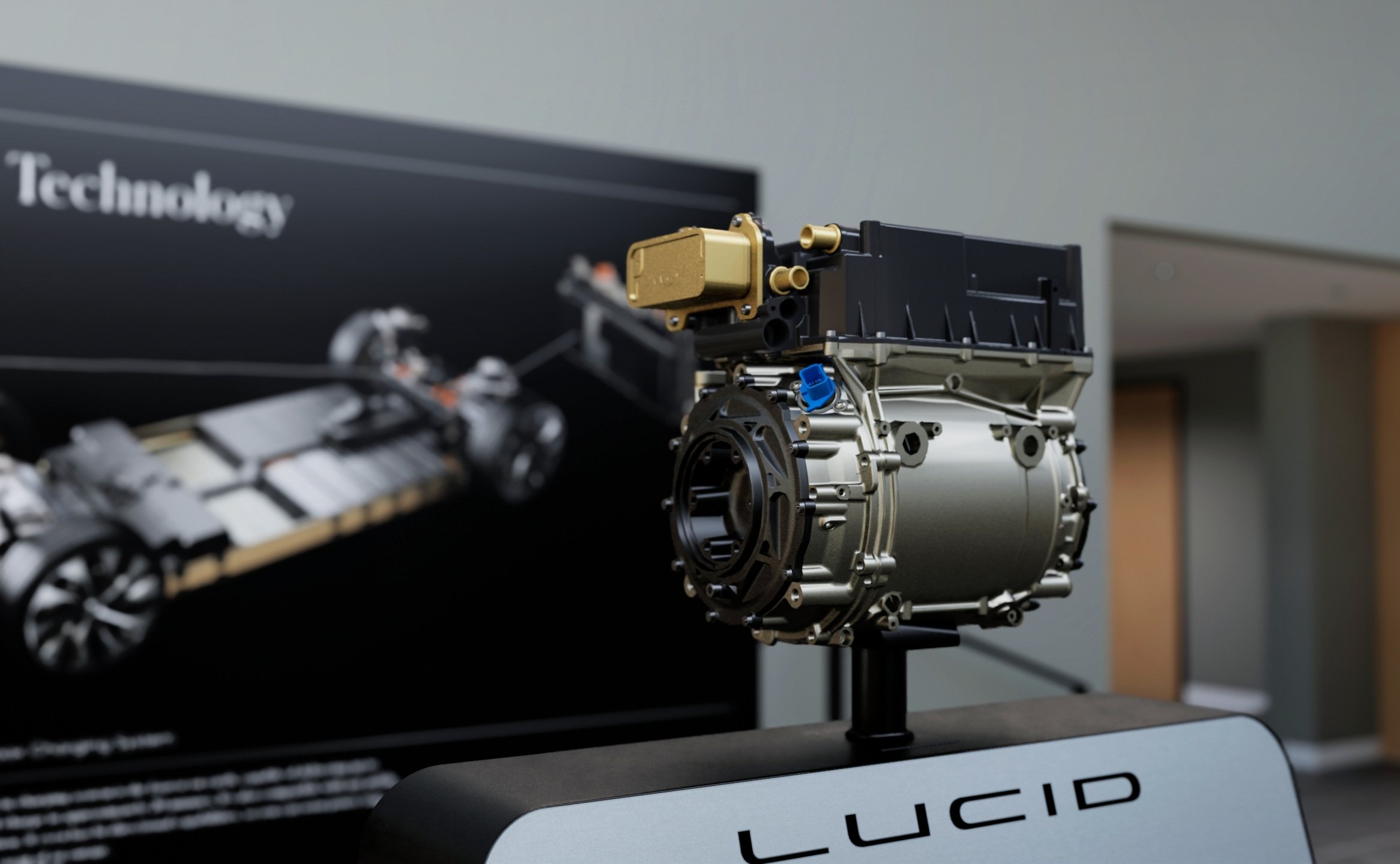
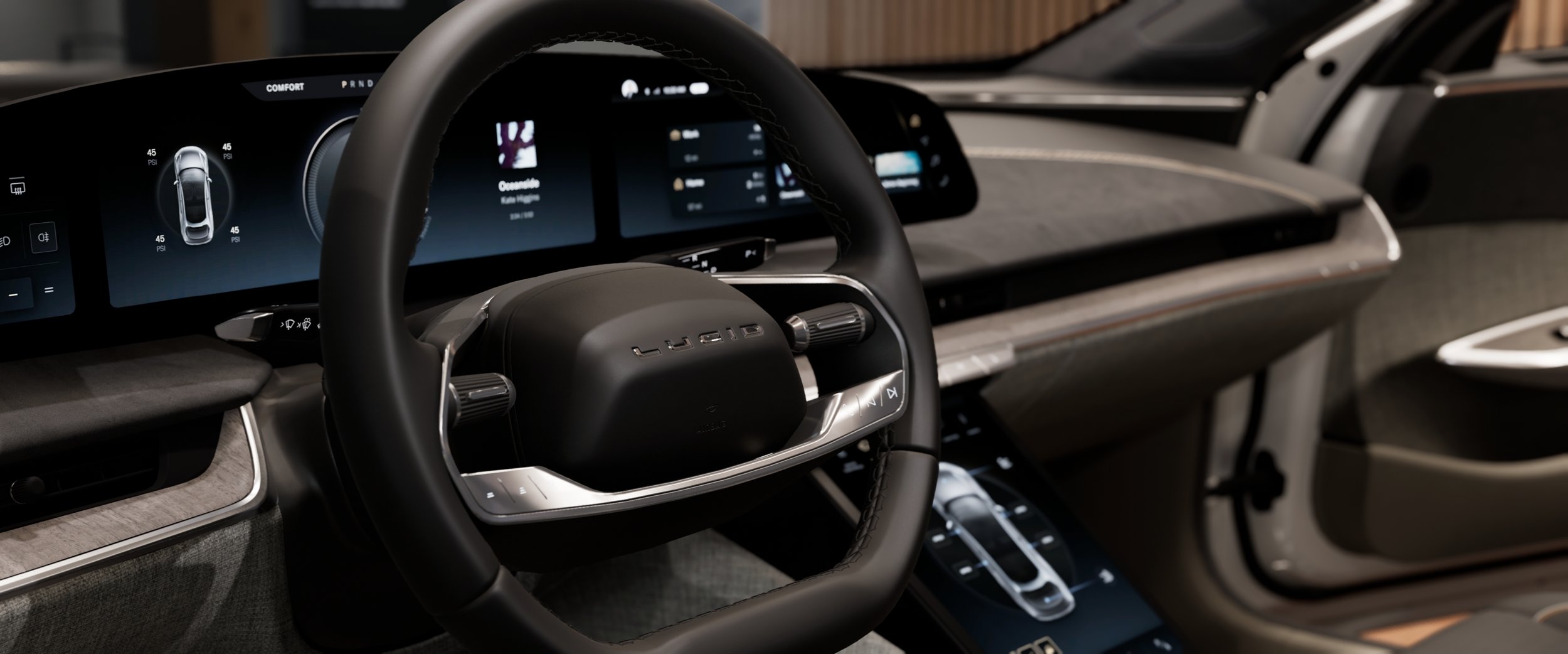
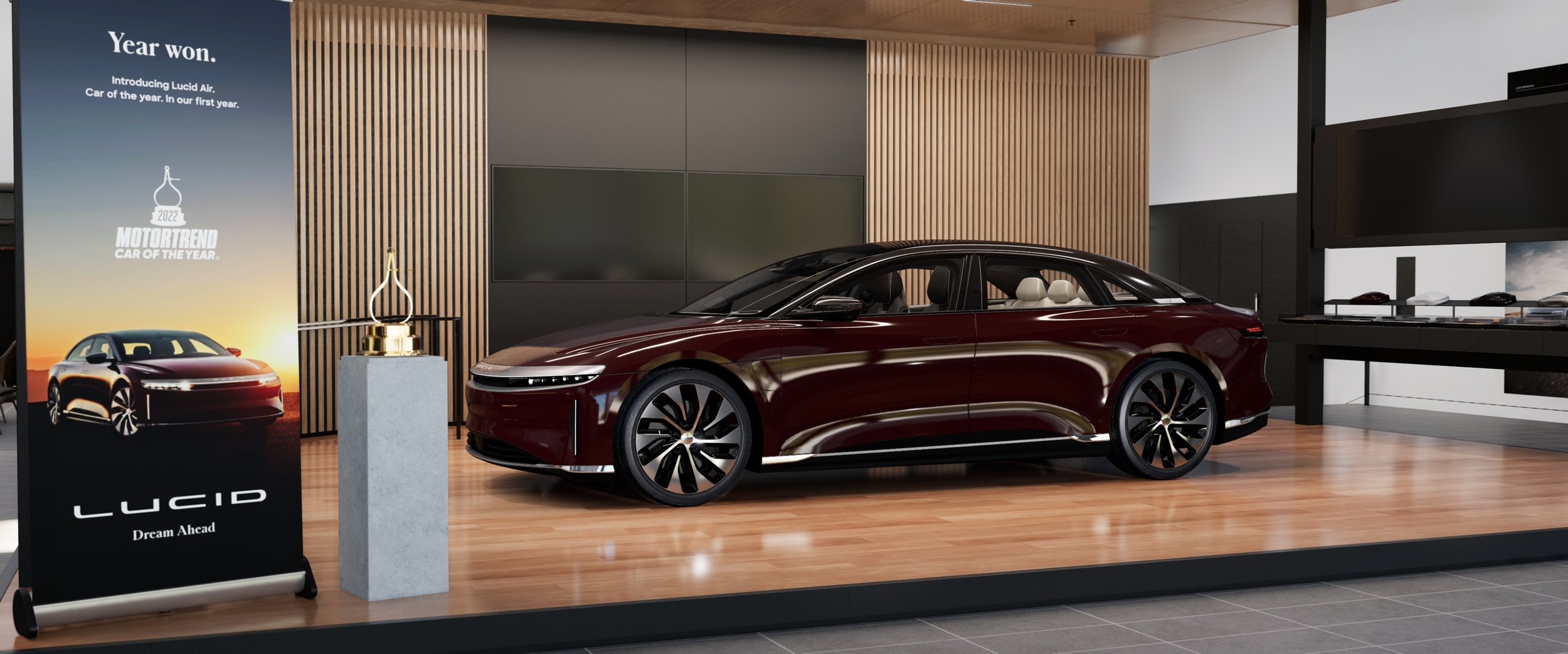
Theia built a virtual showroom and digital twins for Lucid Motors, covering the Air luxury EV, its skateboard platform, and key components. The showroom is a full 3D environment where buyers can explore the vehicle at their own pace.
For Lucid, the virtual approach solves real problems: buyers can configure and interact with the car from anywhere, without needing a physical showroom visit. It also cuts the cost of building and maintaining large display spaces, and reduces the need for physical prototypes during the sales process.
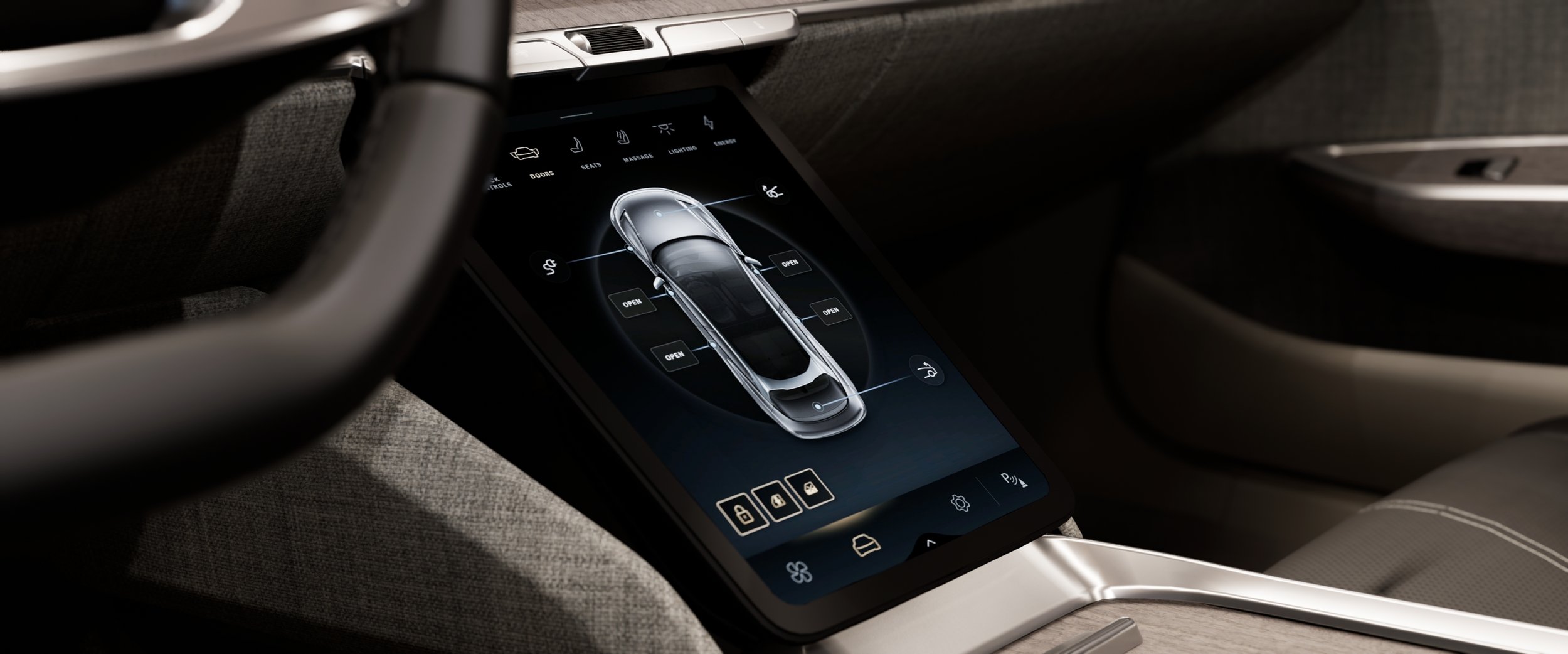
Digital twins also speed up product development. Engineers can simulate scenarios and test without physical prototypes, which means faster iterations and fewer late-stage surprises.
The data side matters too. Digital twins generate detailed usage data: what buyers look at, what they configure, how long they spend. That information feeds back into product decisions and marketing.
And because it runs on the web, the showroom reaches buyers anywhere. A customer in a city with no Lucid dealership gets the same experience as someone in Los Angeles.
Building the showroom
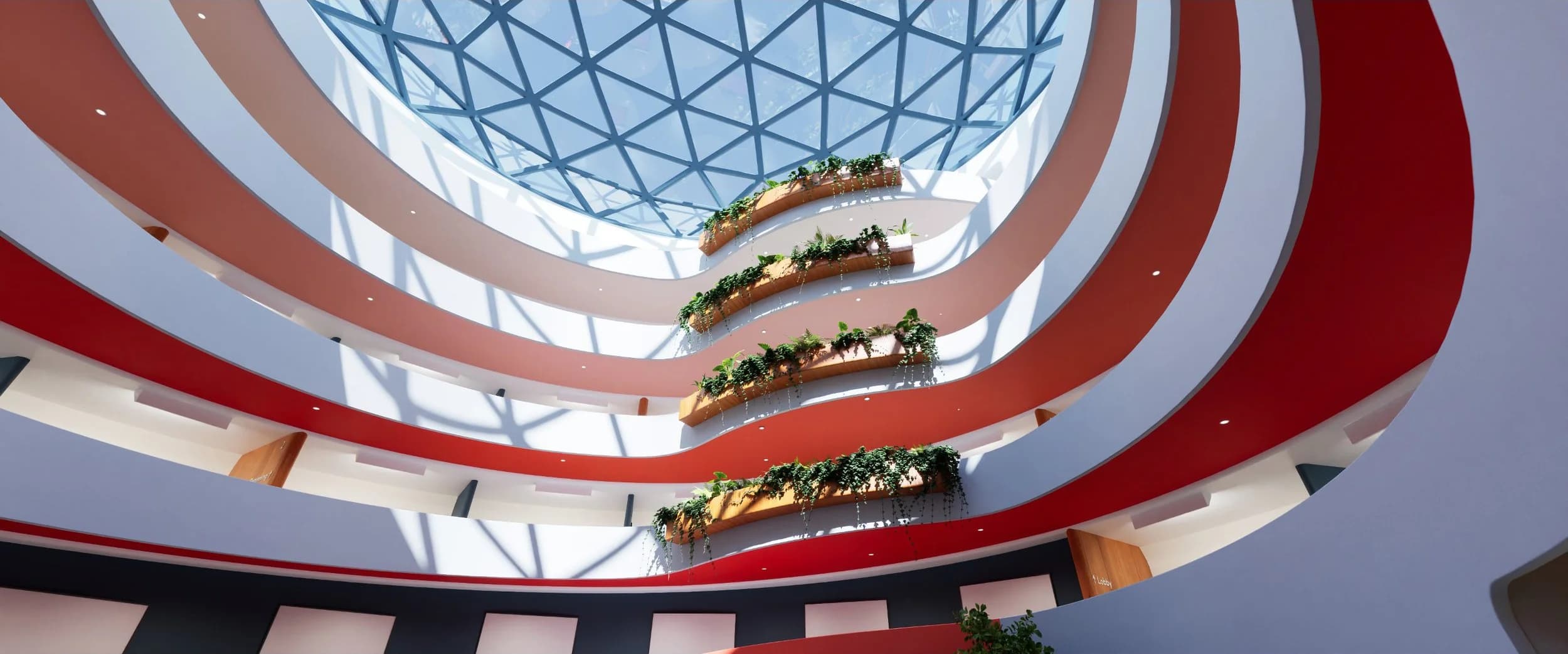
Theia's team captured 360-degree photography on-site at Lucid's facilities and combined it with CAD data from Lucid's engineering teams. The photos set the reference for how the real space looks and feels. The CAD models provided exact geometry for the vehicle and its components. Both sources were merged in Unreal Engine to produce a showroom that matches the physical space but is fully interactive.
Outcome
The virtual showroom and digital twins gave Lucid a way to present the Air that matches the ambition of the vehicle itself. Buyers get a full understanding of the car before they ever sit in one.
The approach has since become a reference point for how other automotive brands think about virtual retail. Physical showrooms aren't going away, but they're no longer the only option.